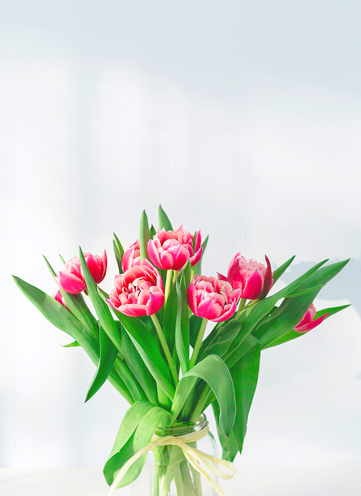
Flowers: Your Natural Ally in Achieving Emotional Balance
Posted on 14/08/2025

Flowers: Your Natural Ally in Achieving Emotional Balance
Flowers have been adored for centuries, not just for their beauty but also for their remarkable ability to influence human emotions. The link between flowers and emotional balance is profound, offering both scientific backing and anecdotal proof that these natural wonders are more than just ornamental. In this article, we explore how flowers serve as a natural ally in supporting emotional well-being, the reasons behind their uplifting power, and practical tips for harnessing their potential in everyday life.
How Flowers Improve Emotional Wellness
The emotional impact of flowers extends beyond pleasing aesthetics. Studies have found measurable mood improvements linked with the presence of flowers in living and working spaces. Here's how flowers help achieve emotional equilibrium:
- Instant mood booster: Their vibrant colors and sweet scents can trigger positive emotions and reduce feelings of anxiety.
- Natural stress relievers: Interacting with or simply viewing flowers is linked to decreased cortisol levels and greater relaxation.
- Support for mindfulness: Engaging with natural beauty promotes being present, which is vital for mental clarity and contentment.
- Enhancing social connections: Gifting and receiving blooms fosters relationships and shared happiness.
Let's delve deeper into how integrating natural flowers for emotional balance into your daily routines can transform your mood and overall quality of life.
The Science Behind Flowers and Emotional Balance
Numerous researchers have investigated the psychological effects of flowers. According to a study by Rutgers University, participants who received flowers reported increased happiness and a lasting improvement in mood compared to those who received other gifts. Flowers trigger the release of dopamine, serotonin, and oxytocin in the brain--the same hormones responsible for emotions like joy, love, and trust.
Color psychology is another area offering fascinating insights. Colors found in emotional-support flowers can evoke different feelings. For instance:
- Yellow: Associated with happiness and warmth (think sunflowers, daffodils)
- Pink: Evokes calm and affection (roses, peonies)
- Blue: Symbolizes peace and serenity (hydrangeas, bluebells)
- Purple: Linked to creativity and inspiration (lavender, lilac)
- White: Represents purity and clarity (lilies, gardenias)
When you introduce natural flowers into your surroundings, your senses react to their shapes, colors, and scents, creating a harmonious atmosphere.
Flower Fragrances and Their Emotional Influence
The aroma of flowers is as influential as their appearance. Floral scents can directly affect the limbic system, which governs emotions and memory. Aromatherapy, often using essential oils from flowers, is widely practiced to reduce anxiety, improve sleep, and lift spirits.
- Lavender: Fosters relaxation and alleviates anxiety
- Jasmine: Improves mood and increases alertness
- Rose: Eases stress and induces tranquility
- Chamomile: Calms nerves and encourages restful sleep
- Geranium: Balances mood swings and offers comfort
Experimenting with different flowers, either as fresh bouquets or in essential oil form, allows you to curate your perfect emotional-support environment.
Historical and Cultural Views on Flowers for Emotional Healing
From ancient civilizations to modern societies, flowers have always played a role in emotional healing. In Ancient Egypt, lotus flowers were seen as symbols of rebirth and serenity. In Traditional Chinese Medicine, peonies and chrysanthemums featured in remedies to restore emotional harmony.
Victorian England introduced the "language of flowers," where specific blossoms sent messages of love, hope, or consolation. Today, flower therapy--often called "floriography"--is recognized in alternative medicine and holistic wellness circles for its ability to promote emotional equilibrium.
Best Flower Choices for Achieving Emotional Balance
When choosing flowers for emotional support, consider both your personal preferences and the symbolic meanings historically attached to different blooms. Here's a guide to some of the most effective flowers for nurturing emotional well-being:
- Lavender: Known for its calming properties. Place a vase of lavender in your bedroom to enhance relaxation and aid in a better night's sleep.
- Sunflowers: Their bright, bold look can instantly uplift spirits and encourage positivity. Perfect for spaces where motivation is needed.
- Roses: Linked to love, compassion, and comfort. Pink or white roses can bring calm, while red roses energize and inspire passion.
- Chrysanthemums: Traditionally associated with joy, longevity, and optimism. Excellent for meditative or reading nooks.
- Orchids: Represent resilience, beauty, and delicate strength--perfect for workspaces or as thoughtful gifts during tough times.
- Gerbera daisies: Bright hues inspire joy and creativity, perfect for craft rooms, kitchens, or shared family spaces.
- Peonies: Lush and fragrant, admired for their association with healing and contentment.
- Gardenias: Their fresh, clean fragrance is soothing and helps foster a peaceful home environment.
Don't underestimate the personal significance of certain flowers, especially those tied to cherished memories or family traditions. Your emotional connection can be just as important as their general symbolism!
Incorporating Flowers into Your Everyday Routine
Harnessing the power of flowers for mental balance doesn't have to be expensive or time-consuming. Here are some actionable strategies to bring more blooms--and emotional positivity--into your life:
1. Flower Arrangements in Living Spaces
- Place vases in key locations--such as the bedroom, kitchen, or entryway--to ensure you see and smell fresh flowers every day.
- Rotate arrangements to celebrate the seasons and keep your environment dynamic.
- Use single stems for minimalist decor or lush bouquets for dramatic impact.
2. Flower-Inspired Self-Care Rituals
- Enjoy a bath with petals from calming flowers like lavender, rose, or chamomile.
- Make or buy natural floral teas for soothing moments of mindfulness.
- Use floral-scented candles or essential oil diffusers to create a serene home atmosphere.
3. Gifting Flowers to Foster Connection
- Surprise friends or loved ones with bouquets "just because"--the emotional uplift is mutual!
- Choose flowers that match the recipient's needs: soothing blooms for stressful times, or bright colors to encourage celebration.
4. Gardening for Emotional Support
- Start a small flower garden--indoors or outside--to nurture patience, routine, and a sense of achievement.
- Involve family or friends in gardening to foster connection and teamwork.
Flowers and Mindfulness Practices
The presence of flowers supports mindfulness in powerful ways. Observing the intricate patterns, vivid colors, and the gentle unfolding of petals can encourage you to pause and appreciate the present. This simple act of noticing beauty reduces ruminative thinking--which often contributes to anxiety or sadness--and grounds you in the here and now.
Why not try a short mindfulness exercise centered around flowers?
- Choose a flower: Hold or closely observe a single flower.
- Engage all senses: Notice its colors, textures, scent, even the sound of its petals gently brushing fingers.
- Breathe deeply: Savor each inhalation and exhalation, focusing on the moment.
- Reflect: Consider how this moment of beauty makes you feel, fostering gratitude and emotional openness.
Making flowers an integral part of your mindfulness rituals can enhance their therapeutic benefits and promote lasting emotional balance.
Frequently Asked Questions About Flowers and Emotional Balance
Q: Can flowers truly help with anxiety and depression?
Yes! Extensive studies and centuries of cultural practices confirm that flowers can alleviate feelings of anxiety and mild depression. Their presence brings beauty, purpose, and comfort, serving as a physical reminder of hope, growth, and renewal.
Q: Which flowers are best for calming anxiety?
Calming flowers include lavender, chamomile, gardenia, and peonies. These options are popular in holistic therapies thanks to their soothing scents and tranquil appearance.
Q: How can I incorporate flowers into a busy lifestyle?
Even the busiest schedules can benefit from small acts of flower appreciation. Place a simple vase of fresh blooms on your desk, try indoor plants with flowering potential, or indulge in floral teas. A moment spent savoring floral beauty can reset your mood throughout the day.
Additional Benefits: Flowers Beyond Emotional Balance
While the primary focus here is flowers as a natural tool for emotional stability, they offer many other advantages too:
- Boosting productivity: Studies show indoor plants, especially flowers, improve concentration and efficiency in work environments.
- Enhancing creativity: The presence of blooms has been linked to greater idea generation and creative thought processes.
- Improving air quality: Many flowering plants also help filter toxins and refresh indoor air, further promoting mental clarity.
- Symbolizing hope and growth: Flowers visually represent cycles of renewal and transformation, encouraging resilience during challenging times.
Your Personalized Approach: Finding the Right Flowers for You
There is no 'one-size-fits-all' in harnessing the power of flowers for mental and emotional well-being. What matters most is choosing blooms that resonate with your senses and emotional needs. Here are some ways to experiment:
- Visit a local florist or botanical garden to discover new varieties and learn their unique properties.
- Pay attention to your reactions--notice which flowers instantly make you smile or feel at peace.
- Keep a flower journal to track which arrangements or scents best support your moods.
- Mix seasonal and local flowers to enjoy freshness and support your community.
Most importantly, trust your instincts. Whether you find solace in a solitary rose or energy in a cheerful bunch of daisies, flowers are your natural ally in achieving emotional balance.
Conclusion: Let Flowers Be Your Guide to Emotional Balance
Incorporating flowers into your daily environment isn't just a matter of decoration--it's a conscious strategy for enhancing mental wellness, fostering positivity, and building resilience against life's stresses. By recognizing the science and soul-supporting capacities of flowers, you unlock a potent source of comfort and joy.
With a bit of intention, creativity, and an open heart, flowers can be your steadfast, natural ally in achieving and maintaining emotional balance. Let their beauty, fragrance, and profound symbolism guide you towards a life of deeper happiness and harmony.
Embrace flowers in your journey, and discover their unique ability to nurture your spirit--one petal at a time.