Traps Hill Loughton wedding flowers for local venues
Posted on 24/09/2026
Planning wedding flowers around Traps Hill in Loughton is one of those jobs that looks simple at first, then suddenly becomes very detailed. The bouquet matters, of course, but so does the shape of the ceremony table, the entrance to the venue, the lighting at the reception, and even how quickly flowers can be delivered and installed on the day. If you are searching for Traps Hill Loughton wedding flowers for local venues, you probably want more than pretty blooms. You want flowers that suit the space, hold up well, feel personal, and arrive with as little fuss as possible. Fair enough.
This guide walks through how local wedding flowers work in practice, what to consider for nearby venues, how to avoid the usual headaches, and which flower styles tend to perform best in real wedding settings. You will also find a checklist, a comparison table, and a realistic example so you can make decisions with confidence rather than guesswork. And yes, we will keep it grounded in the sort of details couples actually deal with on the week.
Why Traps Hill Loughton wedding flowers for local venues Matters
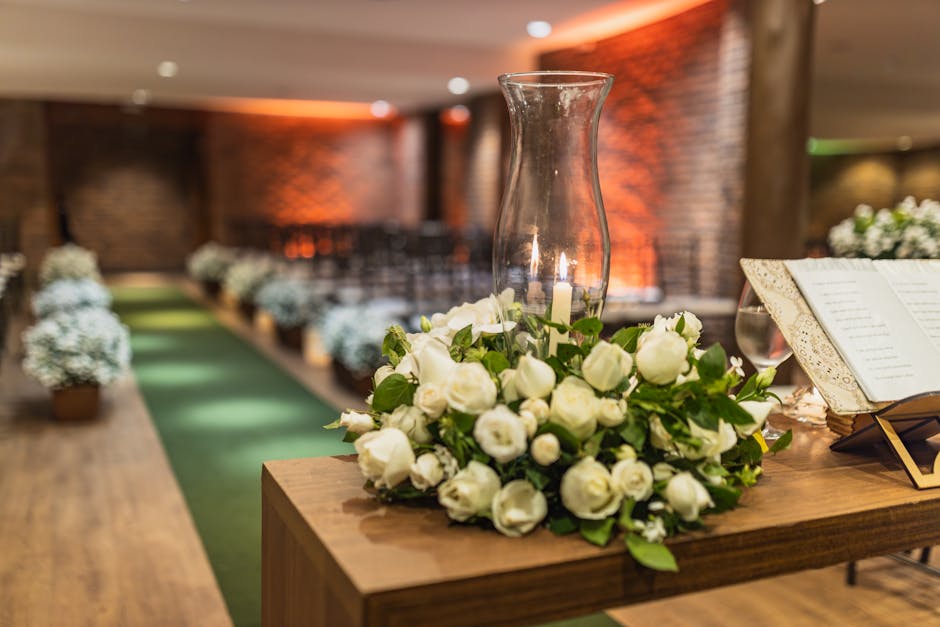
Local venue flowers are not just decoration. They shape how the room feels the moment guests walk in. A wide ceremony room wants something different from a cosy restaurant space. A hall with high ceilings usually needs fuller designs, while a smaller venue near Traps Hill often benefits from refined arrangements that do not crowd the room. That is why Traps Hill Loughton wedding flowers for local venues matter so much: they are never just about colour.
When flowers are planned around the venue, the result feels intentional. Tables look balanced, photos look cleaner, and there is less last-minute stress about whether arrangements will fit. In our experience, couples are happiest when they stop asking, "What flowers do we like?" and start asking, "What flowers actually suit this room, this lighting, and this flow of guests?" It is a subtle shift, but it changes everything.
There is also the local factor. Weddings near Loughton often involve tighter delivery windows, shared access routes, or venues with specific setup times. That means your florist needs to think beyond the bouquet itself and plan for logistics, timing, and space. Truth be told, flowers can look perfect in a studio and still feel wrong if they arrive too early, too late, or in the wrong proportions for the venue.
How Traps Hill Loughton wedding flowers for local venues Works
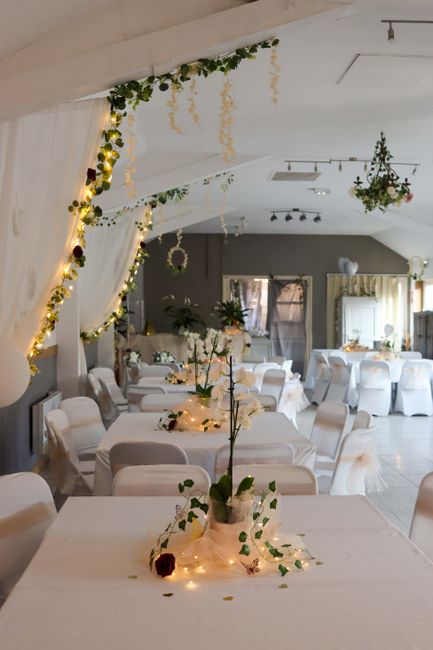
The process usually starts with the venue, not the vase. A good florist will ask where the ceremony, reception, entrances, signing table, top table, and guest tables will sit. They may also want photos or a floor plan. That is because wedding flowers need to work with the room layout, not fight it. A low table centrepiece that looks elegant online may block guests' sightlines in a small venue. A tall arrangement may look stunning in one room and overwhelming in another.
From there, the florist will usually build a floral plan around a few core elements:
- Bridal flowers such as the bouquet and bridesmaid bouquets.
- Ceremony flowers such as aisle arrangements, altar pieces, or registrar table flowers.
- Reception flowers including table arrangements, bar flowers, and entrance pieces.
- Personal flowers like buttonholes and corsages.
- Support pieces such as flower stands, vases, or reusable containers.
If you are exploring wedding-specific products, it can help to look at dedicated ranges such as wedding flowers and collections, along with focused options like bridal bouquets, bridesmaid bouquets, and buttonholes. Those pieces often set the tone for the rest of the design.
For local venue work, timing matters just as much as style. Flowers are typically prepared close to the event date, stored correctly, and delivered with enough time for setup. Some arrangements are fine being installed earlier in the day; others need a later arrival so they stay fresh. A sensible florist will talk you through the practicalities rather than assuming one setup plan fits every venue. It rarely does, anyway.
Key Benefits and Practical Advantages
There are several reasons couples choose local wedding flower planning rather than treating flowers as an afterthought. Some are obvious, others less so.
- Better fit for the venue: arrangements can be scaled to the actual room size, table shape, and ceiling height.
- Cleaner visual flow: flowers can support the ceremony and reception layout rather than interrupt it.
- More reliable timing: local delivery tends to be easier to coordinate around venue access and supplier schedules.
- Less wasted spend: you avoid over-ordering oversized designs that do not really add value in the room.
- More consistent styling: the bouquet, table flowers, and ceremony flowers can all feel part of the same story.
- Fewer setup surprises: a florist who understands local venues is more likely to anticipate awkward corners, dark rooms, or narrow entrances.
There is also a quieter benefit: peace of mind. That sounds a bit fluffy, but it is real. Wedding mornings are already busy enough. If the floral plan is clear, the delivery is confirmed, and the venue knows what is coming, you will notice the whole day feels calmer. One less thing to chase. One less email. Lovely.
For couples comparing styles and budgets, simple collections can be surprisingly effective. For example, a balanced mix of white roses, soft greenery, and a few statement flowers often works beautifully in a traditional venue, while fuller mixed arrangements can bring warmth to a modern room. You do not need to fill every inch to make it look special.
Who This Is For and When It Makes Sense
This approach is ideal if you are getting married at a local venue near Traps Hill or Loughton and want flowers that feel made for the space. It suits couples who care about presentation but do not want a complicated, over-designed floral plan. It also makes sense if your venue has specific setup times, limited storage, or a tight turnaround between ceremony and reception.
You may especially benefit from venue-led flower planning if:
- your wedding space is small or visually busy;
- you want a polished look without overloading the tables;
- you need the flowers to do multiple jobs, such as ceremony to reception transition;
- you have chosen a seasonal palette and want the flowers to feel natural, not forced;
- you are trying to keep costs sensible while still making the room feel dressed.
It is also a good fit if you are ordering other floral items at the same time. Many couples pair wedding bouquets with table pieces and a few finishing details, then keep the design consistent across the day. If that is your approach, a wedding florist can help you build a plan that feels coordinated rather than pieced together.
By contrast, if you want something highly bespoke with unusual installation work, hanging florals, or large-scale structures, you will need even more venue planning. Not impossible. Just more moving parts, and a bit more patience.
Step-by-Step Guidance
If you want the flowers to work well at a local venue, it helps to break the process down into a few clear steps. No drama, no guesswork.
- Start with the venue layout. Ask where the ceremony takes place, where guests will sit, and how tables will be arranged. A floor plan or a few phone photos usually helps a lot.
- Choose your core colour story. White and green feels classic and fresh. Soft pinks add romance. Mixed seasonal tones feel lively and relaxed. Keep the palette tied to the venue, not just to a Pinterest board.
- Select the hero pieces first. Think bridal bouquet, bridesmaid bouquets, buttonholes, and main table arrangements. These are the flowers guests notice first.
- Decide where flowers need volume and where they need restraint. An entrance may need a stronger statement, while dining tables may need lower designs so people can talk across them.
- Confirm delivery and setup details. Check access times, parking, and whether the florist can place the flowers directly in the relevant room.
- Review the plan against your budget. If the numbers feel tight, trim the less visible areas before cutting the main bouquet or ceremony focal point.
- Do one final reality check. Ask: will this still look good if the room is dimmer than expected, the weather is warm, or the schedule shifts by half an hour?
A practical tip? Build around what matters most in photos and in the room itself. Couples sometimes spend heavily on items guests barely see, then underinvest in the bouquet or the ceremony backdrop. A good florist will help you rebalance that. You will be glad you asked.
Expert Tips for Better Results
The best wedding flowers are rarely the most complicated ones. They are the ones that suit the venue, suit the couple, and survive the day without fuss. A few small decisions can make a big difference.
- Use flowers that tolerate a full event day. Some blooms hold up better than others in warmer rooms or under stronger light. Your florist should guide you on this without making it sound like a chemistry lesson.
- Ask for sample references, not just a style label. Words like "luxury", "classic", or "modern" are broad. Ask what the arrangement will actually look like in height, shape, and texture.
- Think in zones. Entrance, ceremony, tables, and exit each have different needs. A single big idea should connect them, but the arrangement does not have to be identical everywhere.
- Keep guest movement in mind. Nobody wants to squeeze past a table full of sprawling flowers with a glass in one hand and a coat in the other. It happens. Better to avoid it.
- Respect the venue's rules. Some places have restrictions on candles, confetti, pins, water containers, or attaching flowers to surfaces. Ask first and plan around it.
- Match the flowers to the season where possible. Seasonal choices tend to look more natural and often feel less forced.
One useful habit is to check how your flowers will photograph at different times of day. Morning light can make pale flowers glow softly, while evening reception lighting can flatten some colours. If the venue has bold wallpaper or dark wood, you may want a palette with enough contrast to hold its own. Small detail, big difference.
And yes, sometimes the simplest arrangement is the cleverest one. A neat table design, a well-proportioned bouquet, and a few well-placed statement pieces can outshine a room full of overworked flowers. Strange, but true.
Common Mistakes to Avoid
Even lovely wedding flower plans can run into trouble if a few common mistakes slip through. These are the ones we see most often.
- Choosing flowers before confirming the venue layout. The room should influence the design, not the other way around.
- Ignoring access and timing. A beautiful setup is no help if the delivery window is awkward or the team cannot access the venue at the right time.
- Overfilling small spaces. It is easy to fall in love with large arrangements online. In a smaller venue, though, too much floral volume can make the room feel crowded.
- Forgetting about table conversation. Tall or dense centrepieces can block eye contact and make the meal feel cramped.
- Not checking the weather plan. Warm days, open doors, and strong sunlight can all affect freshness and positioning.
- Leaving buttonholes and smaller items until the end. They look minor on paper, but they matter on the day and can be surprisingly easy to overlook.
- Trying to copy a social media image exactly. Lovely as inspiration, but those photos may have different light, space, or budget behind them.
The biggest mistake, honestly, is assuming flowers are only about appearance. They are about logistics, mood, and the way people move through a venue. Once you think that way, your choices get much sharper. And less stressful. Which helps, obviously.
Tools, Resources and Recommendations
You do not need complex software to plan wedding flowers well. A few simple tools are usually enough.
- Venue photos: take pictures of the ceremony room, reception tables, entrance, and any awkward corners.
- A rough floor plan: even a hand-drawn sketch helps a florist visualise scale and placement.
- Colour swatches or mood references: fabric samples, invitation artwork, or dress tones can keep the design consistent.
- A timing sheet: note when guests arrive, when the ceremony begins, and when the room turns over for dinner.
- A budget priority list: separate must-have items from nice-to-have extras.
If you want a practical starting point, browsing a florist's wedding-specific range can make decisions easier. The wedding collection pages are useful for comparing styles, while items such as bridal bouquets, bridesmaid bouquets, and table arrangements can help you think in terms of complete sets rather than isolated products.
You may also want to check the florist's service pages for practical assurances such as delivery information, guarantees, and the about us page if you want a better sense of who is handling the work. That little bit of trust-building matters more than people admit.
If you are comparing general flower options as well as wedding pieces, a category like luxury flowers or florist choice can help you understand how a florist approaches shape and presentation. Helpful, and not as boring as it sounds.
Law, Compliance, Standards, or Best Practice
Wedding flower planning is not heavily regulated in the way some trades are, but there are still sensible standards and responsibilities to think about. For example, venues often have their own conditions about access, installation, candles, adhesives, protected surfaces, and waste removal. Those rules are not there to be awkward; they help protect the building and keep the day safe and smooth.
Best practice usually includes:
- confirming access times and delivery arrangements in writing;
- checking whether the venue allows open flames, pins, hooks, or floor-standing items;
- making sure arrangements are stable and suitable for the surface they will sit on;
- clarifying who is responsible for set-up and collection, especially for hired items;
- handling flowers carefully in line with basic freshness and hygiene practice.
If your wedding includes guests with allergies or sensitivities, it is wise to mention that early. A florist can often suggest alternative flowers or placement ideas. Likewise, if the venue has narrow entrances, stairs, or limited parking, those practical details should be shared in advance. A good plan is a safe plan.
You do not need legal jargon here, just clear communication and sensible expectations. The nicest wedding days are usually the ones where everyone knows what is happening. Simple, really.
Options, Methods, or Comparison Table
There is no single right way to plan wedding flowers for a local venue. The best method depends on budget, room size, style, and how much setup help you want. Here is a straightforward comparison.
| Approach | Best for | Advantages | Watch-outs |
|---|---|---|---|
| Full bespoke venue styling | Couples wanting a highly tailored look | Strong visual impact, room-specific design, cohesive finish | Higher planning time, greater budget pressure, more moving parts |
| Focused floral essentials | Smaller weddings or tighter budgets | Covers the important moments without overspending | Less decorative coverage across the venue |
| Venue-led minimal styling | Modern spaces or naturally attractive venues | Elegant, uncluttered, easy to manage | Can feel too sparse if the room needs more softness |
| Seasonal mixed florals | Couples wanting freshness and personality | Natural feel, flexible styling, strong colour variation | Needs careful palette control to avoid looking busy |
For many local weddings, the sweet spot is somewhere between focused essentials and venue-led minimal styling. You get enough structure to make the space feel special, but you do not pay for flower volume you will barely notice from the tables. That balance matters.
Case Study or Real-World Example
Here is a realistic example. A couple planning a wedding near Traps Hill wanted soft, romantic flowers but were unsure how much to order for the venue. The room was fairly intimate, with dining tables close together and a ceremony area that did not leave much spare space. At first, they imagined large tall centrepieces everywhere. Nice idea, but it would have made the room feel crowded.
Instead, the floral plan focused on a statement bridal bouquet, matching bridesmaid bouquets, neat buttonholes, a clean ceremony arrangement, and low table flowers that kept the sightlines open. The palette used whites, blush tones, and a little greenery, which worked well against the venue's neutral decor. The setup was calm, the photos looked airy, and the room felt dressed without being overloaded.
What made the difference was not a fancier flower choice. It was scale. The florist matched the arrangements to the room rather than trying to force a larger look into a smaller space. The couple said afterwards that the flowers felt like they belonged there, which is exactly the goal. No drama. No awkward gaps. Just a good fit.
That kind of result is often the mark of a strong local wedding florist. They are not only arranging stems; they are reading a room. That is a skill, by the way, and not everyone has it.
Practical Checklist
Use this checklist when finalising Traps Hill Loughton wedding flowers for local venues. It keeps the details from slipping through the cracks.
- Venue layout confirmed, including ceremony and reception areas
- Access times agreed with the venue and florist
- Colour palette chosen and approved
- Bridal bouquet selected
- Bridesmaid bouquets selected
- Buttonholes and corsages counted
- Ceremony flowers sized to the room
- Table arrangements matched to table size and guest flow
- Any venue restrictions checked
- Delivery and setup responsibilities confirmed
- Backup plan discussed for weather or timing changes
- Budget priorities written down
- Collection or breakdown arrangements confirmed if needed
If you are short on time, prioritise the bouquet, ceremony focal point, and dining tables first. Those elements do the most visual work. Everything else can be simplified if needed, and the day will still feel complete.
Conclusion
Traps Hill Loughton wedding flowers for local venues are at their best when they are planned around the room, the timings, and the feeling you want guests to carry with them. The right flowers do more than decorate a space. They help shape the mood, support the ceremony, and make the whole day feel considered.
Start with the venue, keep your priorities clear, and choose designs that suit the space rather than fighting it. That simple approach usually leads to better results, fewer surprises, and a much smoother wedding morning. And honestly, smoother is underrated.
If you want your flowers to feel beautiful, practical, and properly tied to the venue, take the time to plan them well. It pays off in all the little moments you remember later: the first look, the table setting at dusk, the quiet pause before the ceremony. Those are the bits that stay with you.
Get a free quote today and see how much you can save.
When the flowers fit the space, everything else seems to breathe a little easier.
Frequently Asked Questions
What makes Traps Hill Loughton wedding flowers for local venues different from standard wedding flowers?
They are planned with the actual venue in mind, including room size, guest flow, access, lighting, and setup timing. That usually leads to a more practical and polished result than choosing flowers in isolation.
How far in advance should I book wedding flowers for a local venue?
As early as you reasonably can, especially if you want a specific style or date. Popular wedding dates can fill quickly, and the earlier you book, the easier it is to shape the design around the venue properly.
Can wedding flowers be reused from the ceremony to the reception?
Often, yes. Ceremony flowers can sometimes be moved to the reception, provided the venue schedule allows it and the florist has planned for easy transfer. This is a sensible way to stretch the budget without losing impact.
What flowers work best for smaller local wedding venues?
Smaller venues usually suit balanced arrangements rather than oversized pieces. Low table flowers, compact bouquets, and one or two focal arrangements often work well because they keep the space open and elegant.
Do I need different flowers for the bridal party and the venue?
Not necessarily. Many couples use the same palette across the bouquet, bridesmaid flowers, buttonholes, and venue arrangements. That creates a consistent look without needing lots of different flower types.
How can I keep wedding flowers within budget?
Focus on the pieces that matter most visually, then simplify less important areas. Using seasonal flowers, reusing ceremony flowers at the reception, and keeping table designs low and efficient can all help.
Are scented flowers a good idea for wedding venues?
Sometimes, but not always. Strong scent can be lovely in small amounts, yet it may overwhelm enclosed spaces or affect guests with sensitivities. A florist can help you balance fragrance and comfort.
What should I tell the florist about my venue?
Share the venue layout, access times, parking details, table sizes, ceiling height if relevant, and any restrictions. A few clear photos can also help a lot. The more practical detail you give, the better the floral plan will be.
Can I have a very simple floral design and still make the venue look special?
Absolutely. A simple design can look stunning when the scale, colour palette, and placement are right. In fact, some of the most elegant weddings use fewer flowers but place them more thoughtfully.
What if my venue changes the schedule at the last minute?
That is exactly why it helps to plan with a local florist who understands event timing. A good setup plan should include a bit of flexibility, especially for weddings where room turnover or access windows may shift.
Should I choose fresh flowers or mixed arrangements with artificial elements?
That depends on your priorities. Fresh flowers are usually preferred for scent and natural texture, while mixed arrangements can sometimes offer more durability or specific styling advantages. Your florist can advise based on the venue conditions and your budget.
How do I know if my flower plan is realistic for the venue?
Ask whether the proposed arrangements fit the table shapes, room size, and access conditions. If the florist can explain why each piece belongs where it does, that is usually a good sign. If they cannot, it may be worth revisiting the plan.